The Great Argument: Sugar Beet Vs Sugar Cane - Which Is the Superior Option for Sweeteners?
The argument over sugar beet versus sugar cane as the preferred sugar entails several critical variables. Each offers unique advantages and challenges pertaining to production, taste, and health ramifications. While sugar beet might appeal to those focusing on sustainability, sugar cane has its own cultural and culinary significance. As customers come to be a lot more conscious of their choices, the question remains: which sugar really attracts attention in today's market?
The Origins of Sugar Beet and Sugar Cane
Sugar cane has actually been grown for thousands of years, primarily in tropical regions, sugar beet arised as a substantial option in cooler climates throughout the 18th century. Sugar cane, belonging to Southeast Asia, was first trained around 8000 BCE and spread around the world via profession and exploration. Its high sucrose content made it a useful plant, leading to extensive vineyards in regions like the Caribbean and Brazil.
On the other hand, sugar beet was first grown in the Mediterranean around the 18th century, specifically getting grip in Europe as a feedback to sugar cane lacks. The plant flourishes in pleasant environments, making it ideal for areas with chillier weather condition. The discovery that sugar might be removed from beet roots reinvented sweetener production, specifically throughout the Napoleonic Battles when profession limitations limited cane sugar gain access to. The surge of sugar beet farming marked a turning point in the background of sweeteners, providing a regional resource for lots of nations.
Production Processes: From Field to Sweetener
The production processes of sugar beet and sugar cane reveal significant differences in farming techniques, gathering approaches, and refinement stages. Recognizing these subtleties is vital for valuing just how each crop adds to the general sugar market. This comparison highlights the special qualities and obstacles associated with both sources of sweetness.
Cultivation Strategies Contrast
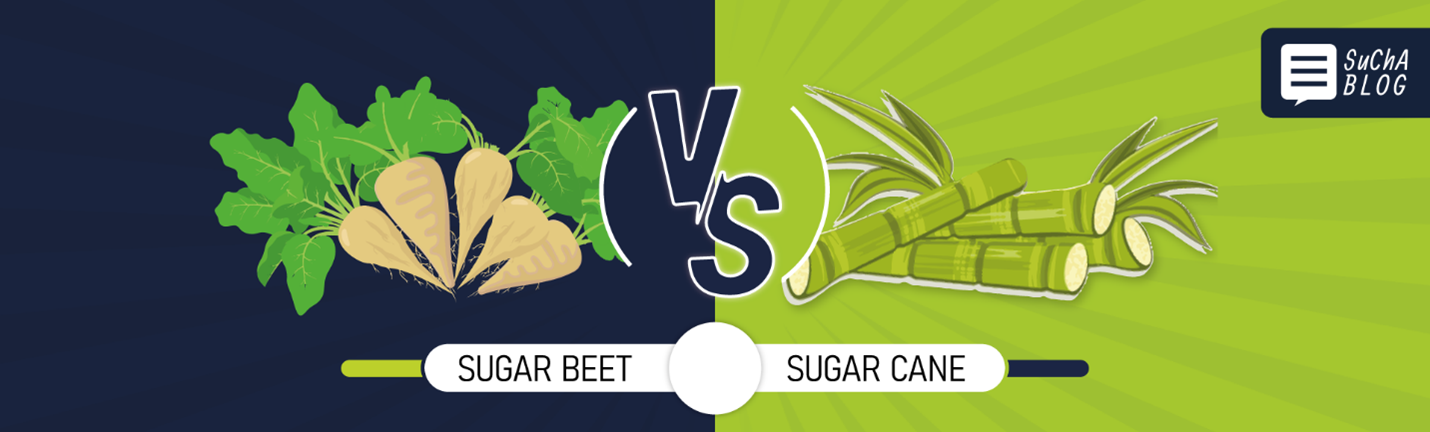
Farming strategies for sugar beet and sugar cane expose distinct techniques that affect their production processes, from field preparation to final sugar extraction. Sugar beet farming normally includes raking and harrowing to create a fine seedbed, followed by seeding in rows to help with growth. This crop gain from cooler environments and is usually grown in spring. On the other hand, sugar cane is normally grown in furrows with pre-sprouted cane items, calling for a warm, exotic environment for optimal growth. Cane areas are frequently laid out to handle water successfully, offered its need for substantial watering. Both crops are managed with details fertilization and pest control methods tailored to their growth atmospheres, impacting yield high quality and effectiveness in sweetener extraction.
Harvesting Methods Discussed
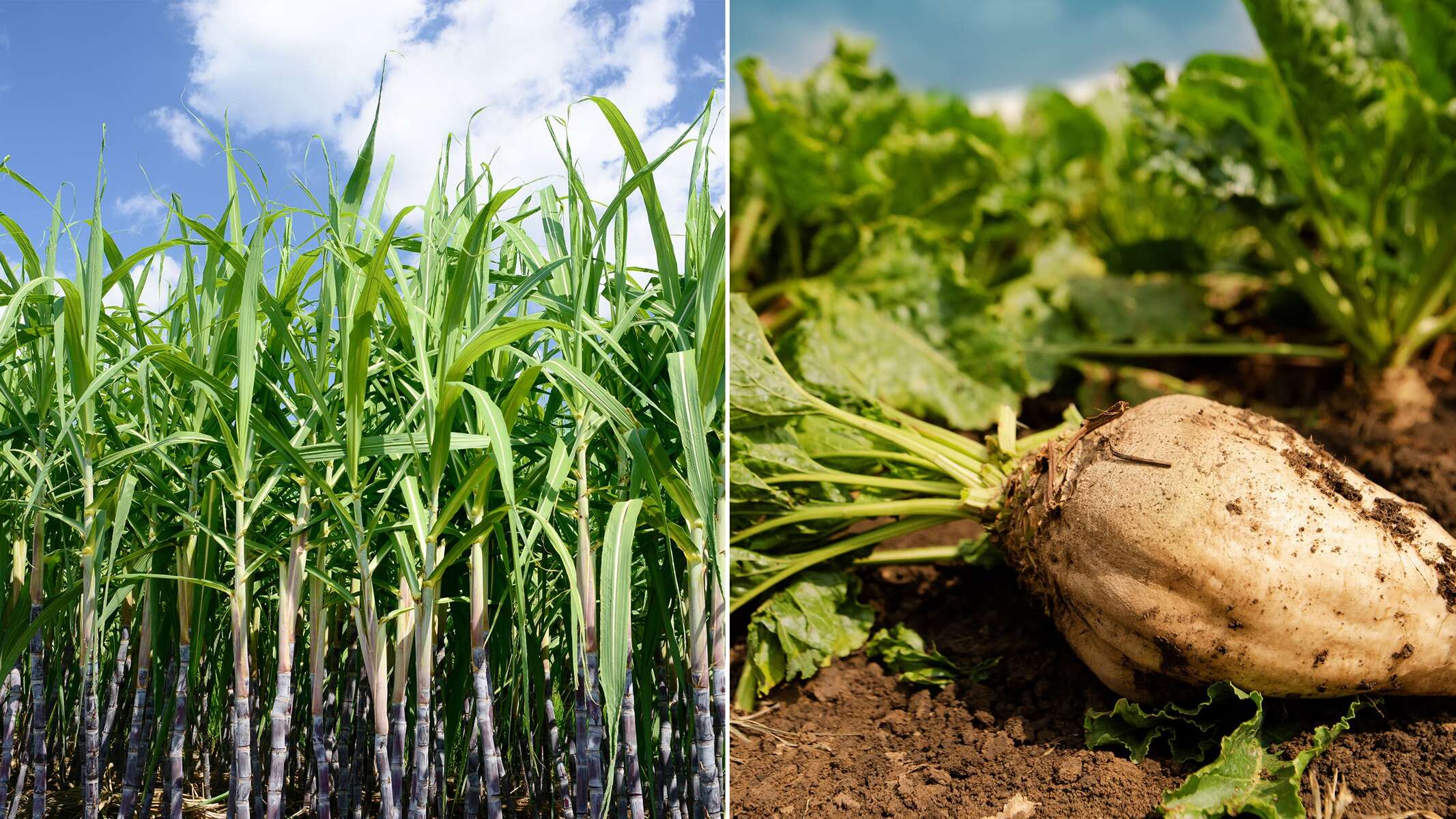
Effective harvesting methods for sugar beet and sugar cane play a vital duty in assuring optimal yield and quality of the last product. Sugar beet collecting commonly employs mechanical root harvesters, which effectively uproot the beetroots from the dirt and different them from the vegetation. This technique decreases damage to the beets and reduces labor prices. On the other hand, sugar cane harvesting may utilize either hand-operated labor or machinery, depending upon the area and scale of production. Mechanical farmers reduced the cane at the base and often remove the leaves, maximizing the procedure for larger areas. Both approaches require cautious timing to ensure the crops are harvested at peak sweetness, influencing the high quality of the final sugar item.
Improvement Process Differences
While both sugar beet and sugar cane undertake rigorous refinement processes to change their raw kinds into usable sugar, the approaches used vary considerably. Sugar beet refinement begins with cleaning and cutting the beetroots into thin cossettes, complied with by diffusion, where hot water removes sucrose. The resulting juice is after that purified, focused, and crystallized. In contrast, sugar cane processing involves crushing the stalks to remove juice, which is after that made clear using lime and warmth to eliminate pollutants. The cane juice is vaporized to create syrup prior to crystallization. Ultimately, while both processes intend to produce white sugar, the unique techniques highlight the distinct characteristics of each source and their implications for flavor and pureness in the end product.
Nutritional Profiles: What's in Your Sweetener?
The nutritional accounts of sugar beet and sugar cane present distinctive distinctions worth checking out. This comparison includes facets such as caloric content, mineral and vitamin visibility, and variations in glycemic index. Comprehending these factors can provide insights into how each sugar might influence general wellness.
Calorie Material Contrast
Comprehending the caloric material of sugar beet and sugar cane is important for those mindful of their nutritional selections. Both sweeteners mostly consist of sucrose, contributing a similar caloric worth. Usually, sugar beet includes about 387 calories per 100 grams, while sugar cane has concerning 390 calories per the exact same quantity. The slight difference in calorie content may not greatly effect most diet plans; nevertheless, it is amazing for those very closely checking their calorie consumption. In addition, both sugar resources offer energy yet lack necessary nutrients, making them mainly resources of vacant calories. Individuals seeking healthier options might desire to take right into account these variables when selecting in between sugar beet and sugar cane as their preferred sweetener.
Mineral and Vitamin Material
Caloric material supplies only a part of the photo when evaluating sugar beet and sugar cane. Both sources of sugar vary markedly in their mineral and vitamin profiles. Sugar beetroots are incredibly rich in crucial nutrients, consisting of potassium, magnesium, and iron. They also have percentages of vitamins such as B6 and folate, adding to their nutritional value. In comparison, sugar cane offers a different set of benefits, having calcium, phosphorus, and traces of B vitamins. While neither choice is a significant source of minerals and vitamins contrasted to whole foods, sugar beetroots might have a small edge due to their higher mineral web content. Inevitably, customers seeking dietary take advantage of sugar must consider these differences in profiles.
Glycemic Index Distinctions
Glycemic index plays an important duty in reviewing how various sweeteners affect blood sugar degrees. Sugar beet and sugar reference cane show significant differences in their glycemic feedbacks. Generally, sugar beet has a lower glycemic index compared to sugar cane, resulting in a slower and steadier increase in blood sugar degrees after consumption. This quality may make sugar beet a more suitable choice for individuals handling diabetic issues or those seeking to keep steady energy levels. In contrast, sugar cane often tends to trigger a more rapid spike in blood sugar level, which can lead to quicker energy collisions. Recognizing these differences is substantial for consumers intending to make educated dietary choices relating to sweeteners and their effect on overall wellness.
Environmental Effect: Sustainability Considerations
While both sugar beet and sugar cane are necessary sources of sugar, their ecological impacts and sustainability considerations vary noticeably. Sugar beets, mainly expanded in temperate areas, usually need less water and can be cultivated in varied climates. They likewise gain from plant rotation methods, which enhance soil wellness and minimize the need for synthetic plant foods. Intensive farming of sugar beetroots can lead to soil exhaustion and chemical use.
In comparison, sugar cane thrives in tropical environments and typically requires substantial water resources for irrigation (Sugar beet vs sugar cane). The monoculture nature of sugar cane farming can intensify dirt erosion and biodiversity loss. In addition, the burning of cane areas before harvest releases carbon exhausts and adds to air contamination. Both crops encounter challenges relevant to environment modification, but their varying cultivation methods greatly influence their general sustainability profiles. For that reason, the choice between sugar beet and sugar cane includes evaluating these environmental influences meticulously
Taste and Culinary Utilizes: Which Sweetener Reigns Supreme?
The option in between sugar beet and sugar cane prolongs past ecological considerations to include taste and cooking applications. Sugar beet, often perceived as having a somewhat different taste account, tends to be much less sweet than sugar cane. This subtle difference can influence its use in recipes, particularly in baked products where a neutral sweet taste is preferred.
Conversely, sugar cane is commemorated for its distinctive, rich, and extra complicated taste, making it a recommended selection for drinks and treats - Sugar beet vs sugar cane. Its all-natural molasses material can enhance the depth of tastes in numerous recipes
In cooking, sugar cane's convenience radiates through in sauces, lusters, and confections, check it out while sugar beet is commonly discovered in refined foods and sweeteners like granulated sugar. Ultimately, the choice between the two sugar typically depends upon specific preference preferences and specific cooking applications, with each offering special advantages in the kitchen.
Wellness Ramifications: Sugar Beet Vs Sugar Cane
Both sugar beet and sugar cane have distinctive health effects that can affect consumer options. Sugar beet vs sugar cane. Sugar beet is frequently related to for its greater fiber web content, which can aid gastrointestinal wellness. Furthermore, it has particular antioxidants that might add to general well-being. On the other hand, sugar cane is rich in nutrients such as calcium, why not try these out potassium, and magnesium, supplying some mineral advantages
Both sources mostly are composed of sucrose, which can lead to similar wellness problems when consumed exceedingly, such as weight problems, diabetes mellitus, and heart illness. The processing approaches also vary; sugar beet is typically fine-tuned extra intensively, potentially causing a loss of certain nutrients. Consumers worried about ingredients may choose sugar cane, as it usually undergoes less processing. Inevitably, understanding these health and wellness implications can lead people towards making notified choices regarding their sugar choices.
Consumer Preferences: Trends and Insights
Customer preferences for sweeteners have progressed significantly in the last few years, influenced by health and wellness trends, environmental issues, and nutritional selections. Boosted understanding of the unfavorable health impacts connected with too much sugar consumption has led numerous customers to look for choices. This shift has motivated a growing interest in all-natural sugar, with sugar beet and sugar cane being at the forefront of conversations.
Research shows that customers are increasingly preferring sugar beet due to its perceived ecological advantages, as it is often grown closer to refining plants, lowering transportation discharges. On the other hand, sugar cane is often connected with exotic areas and may lug understandings of sustainability challenges.
Often Asked Inquiries
Exactly How Do Sugar Beet and Sugar Cane Affect Blood Sugar Degrees?
Sugar beet and sugar cane both contain sucrose, which can elevate blood sugar level levels. The impact mainly depends on private metabolic process and intake quantities, however both resources contribute similarly to blood sugar feedbacks for the most part.
Which Sweetener Is Better for Cooking and Cooking?
When reviewing sweeteners for baking and food preparation, one must think about texture, taste, and dampness retention. Sugar beet and sugar cane both supply unique top qualities, with sugar cane frequently preferred for its richer taste profile in culinary applications.
Can Sugar Beet or Cane Be Used in Vegan Diets?
Both sugar beet and sugar cane can be made use of in vegan diet plans. They are plant-derived sugar, making them suitable for individuals seeking vegan-friendly choices without pet products, guaranteeing honest choices in their culinary methods.
What Are the Historical Usages of Sugar Beet and Cane?
Historically, sugar beet and cane functioned as essential resources of sweetness, with cane cultivated in exotic areas and beet in pleasant zones. Both have been integral to various societies, economic situations, and culinary traditions throughout history.
Are There Any Alternatives to Sugar Beet and Cane?
Alternatives to sugar beet and cane consist of agave nectar, honey, syrup, and fabricated sugar like aspartame and sucralose. These substitutes use varying flavors and health benefits, appealing to diverse nutritional preferences and constraints.